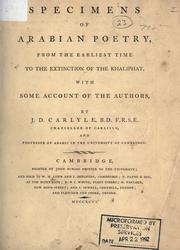
Poetry in the Arabian peninsula has the longest continuous tradition in any Arabic-speaking region. The pre-Islamic mu'allaqat — odes by Imru' al-Qais, Tarafa, Zuhayr, Labid, ‘Antara, ‘Amr ibn Kulthum, and al-Harith — were almost all composed by poets of the central and northern peninsula and remain the foundational texts of the Arabic literary canon.
The peninsular tradition continued under the Umayyads and the Abbasids, fed both the urban Iraqi poetry of Abu Nuwas and al-Mutanabbi, and continued in vernacular form as the still-living nabati oral poetry of the Gulf bedouin.
Modern Gulf poetry — by which is usually meant the literary, classical-Arabic poetry of Saudi Arabia, Kuwait, Bahrain, Qatar, the Emirates, Yemen, and Oman from the mid-twentieth century onwards — has had to negotiate the inheritance of a thousand-year tradition while also engaging with the breakneck modernisation of the oil era. Major figures include Hamad Saif al-Hammadi (UAE), Ghazi al-Gosaibi (Saudi Arabia), Suad al-Sabah (Kuwait), Abdullah al-Faisal (Saudi), and the more recent generation of Saudi modernists working under the influence of Adonis.
Yemen, with its long Hadrami and Sana'ani traditions, is a poetry country in a way that the rest of the peninsula often is not; ‘Abdullah al-Baradouni, blind and self-taught, is one of the great late-twentieth-century Arab poets, though almost untranslated.